
What if the sci-fi battles of Tom Clancy novels aren’t decades away but happening right now? In Ukraine, consumer drones like DJI’s Mavic series have become weapons of mass destruction, outsmarting tanks and turning gamers and hackers into tacticians. In the South China Sea, China’s supersonic missiles repeatedly demonstrate an ability to streak past traditional defenses, rewriting naval warfare. Airports, national grids, and traffic systems are constantly meddled with. In the East, West, and everywhere in between, information warfare runs rampant. These may sound like mere news bites; but they’re concerning signals, pre-event indicators that we must gauge right.
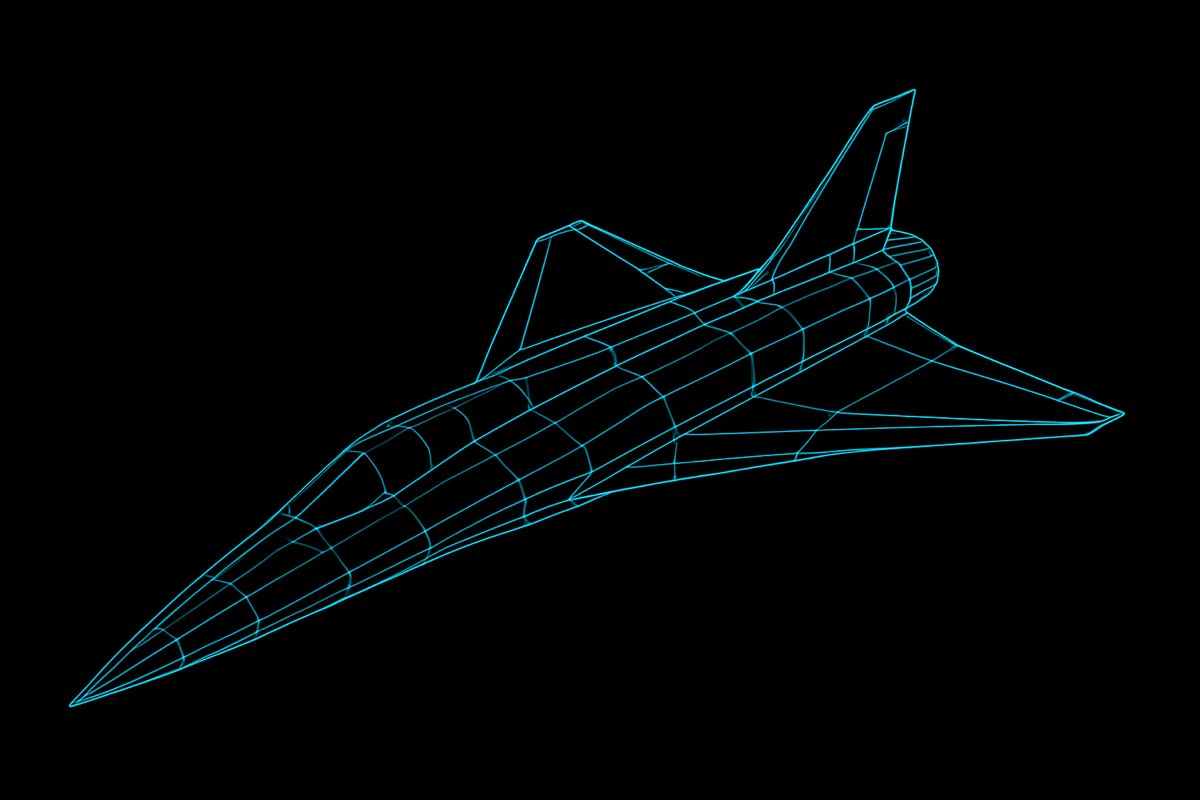
Up until recently, everyone would marvel at the amazing advancements in defense envisioned for the next fifty years. Skim through your bookshelf populated by Tom Clancy, Dale Brown, Mark Greaney, and, perhaps for some, Soviet counterparts like the Strugatsky brothers or Kir Bulychev. Their novels, brimming with ‘nonsensical’ weapons like Sam Fisher’s tri-rotor goggles piercing the night, Captain Ramius’ silent caterpillar drive gliding beneath the waves, Brown’s laser-guided bombs raining precision from stealth bombers. From behind the Iron Curtain, Strugatsky’ s mind-control towers and Bulychev’s lasers protect speculative soviet and communist utopias. These Authors were prophetic. While American tales focused on capitalist-driven innovation, Soviet narratives leaned heavily on surveillance and state control, their futuristic tech serving as tools for monitoring and shaping society rather than rewarding individual brilliance.

The NATICK Future Warrior concept of the 2000s, with its clunky exoskeletons and fridge-sized power packs, has shed its weight. Today, soldiers could wear lightweight exosuits like Lockheed’s ONYX, boosting endurance, or AR helmets like IVAS, turning their eyes into targeting systems. Science fiction is now standard, and it’s only the beginning. Once confined to dusty bookshelves, these ‘nonsensical’ weapons have escaped into the real world like the NATICK Future Warrior, which sheds its bulky exoskeletons for sleek, AI-integrated gear that lets soldiers move like shadows.
The future is today. The chips have fallen on five game-changers:
Power: Microreactors and high-density batteries fuel drones and exosuits for days, not hours.
Compute: Edge AI processes battlefield data in real-time, turning soldiers into strategists.
Swarm: Drone swarms overwhelm defenses with numbers
Cyber: GPS spoofing and network attacks can paralyze enemy systems before a shot is fired.
Hypersonic: The United States and Europe are racing forward, proving that the West can out-innovate rather than merely respond.

These theories are more than mere hypotheses. They have been tested, and their use-case is proven. In 2024, defense tech startups raised nearly $3 billion, signaling surging investor interest. While the winners are well known, many more are behind the veil of strategic programs. Incubated amongst the brightest in the world from the United States, United Kingdom, and Germany. The free-world depends on these ideas attracting capital.
We once laughed at the idea of consumer gadgets becoming Weapons of Mass Destruction. Yet here we are, DJI, the king of hobby drones, rivals traditional arms exporters in asymmetric warfare. Forget IEDs in dusty roads; today’s guerrillas wield $500 loitering munitions that can sink billion-dollar warships. It’s David vs. Goliath, but David has a swarm. AI enables mortars to think, adjusting mid-flight like a guided missile from a sci-fi thriller. These low-cost, high-impact platforms are rewriting warfare and startups in this space are hungry for capital to scale. Who would ever have thought that the consumer drone company would become one of the largest exporters of arms and WMD’s in the world, and not be sanctioned?
The United States, United Kingdom, and Germany have the minds, and the capital, to write the next generation of science fiction. The journey of technology from the imaginative landscapes of 1980s fiction to the groundbreaking innovations of 2025 reality powerfully demonstrates why the world should not bet against the brilliance fueled by American and European capitalism. Unlike the constrained efforts of Russian or Chinese state scientists, driven merely to survive within rigid systems, the West’s free market rewards individual genius, fostering a culture where creativity and risk-taking thrive. It’s why reusable rockets like SpaceX’s Falcon 9, NATO’s DIANA accelerator for dual-use startups, or Europe’s Galileo satellite navigation system exist. For science fiction to come to life, applications that span defense, civilian, and commercial domains need to be given prevalence. This capitalist legacy transforms bold sci-fi dreams into real-world achievements, proving that the future belongs to those who are incentivized to innovate and excel.